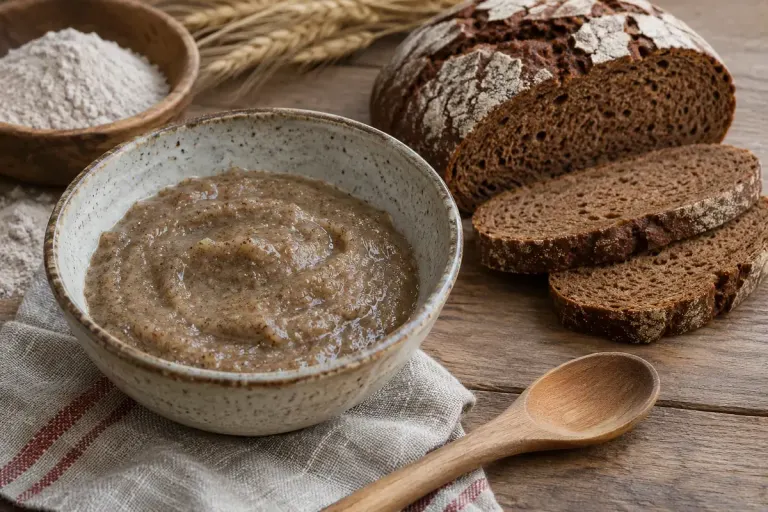
Bread skills
A rye scald changes what part of the flour brings to a loaf
A rye scald brings heat and time into the dough before mixing. Learn what changes, why the recipe’s temperature matters, and how to record a first bake.

A little technique. A better bake.
THE HOME BAKING NOTEBOOK
Learn to read the dough, the bowl and the oven, with practical notes for cakes and pastry.
Baking notebook →
A rye scald brings heat and time into the dough before mixing. Learn what changes, why the recipe’s temperature matters, and how to record a first bake.
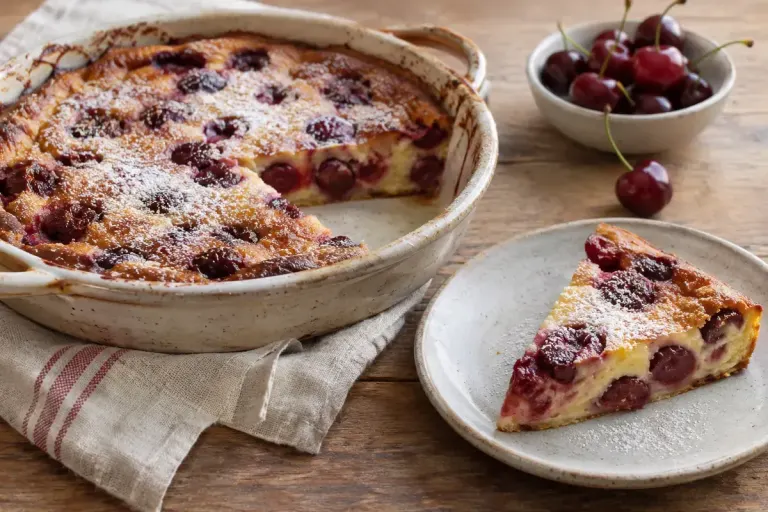
Understand the soft centre, fruit layer and batter depth that make clafoutis different from an ordinary cake, with practical checks for a first bake.
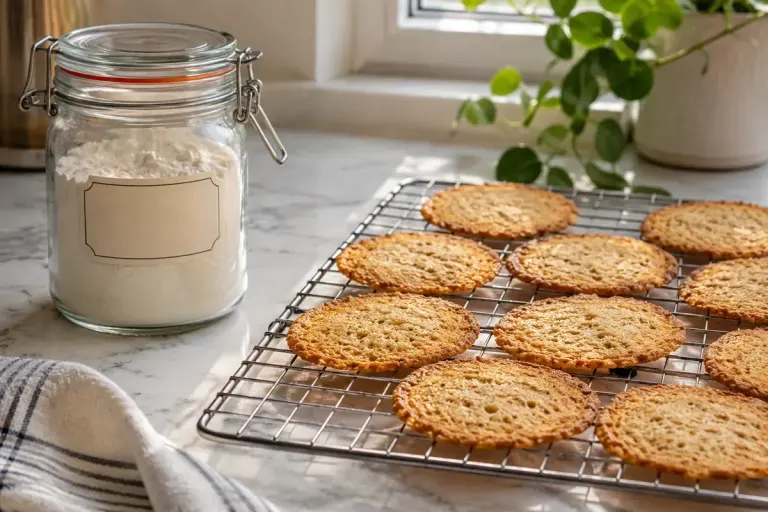
Baker’s ammonia can give certain cookies a light, crisp texture. Discover why a thin, dry bake suits it and why substitutions need a tested recipe.
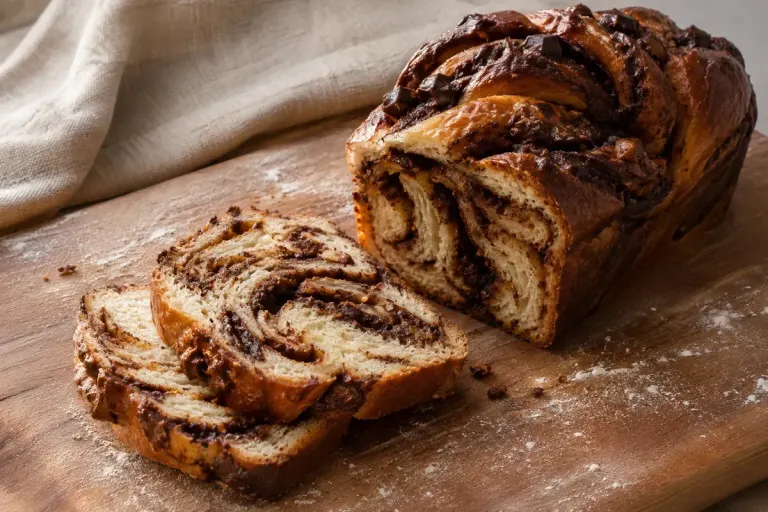
Get clearer chocolate layers in babka by checking filling consistency, spreading evenly, and keeping the dough manageable before twisting the loaf.
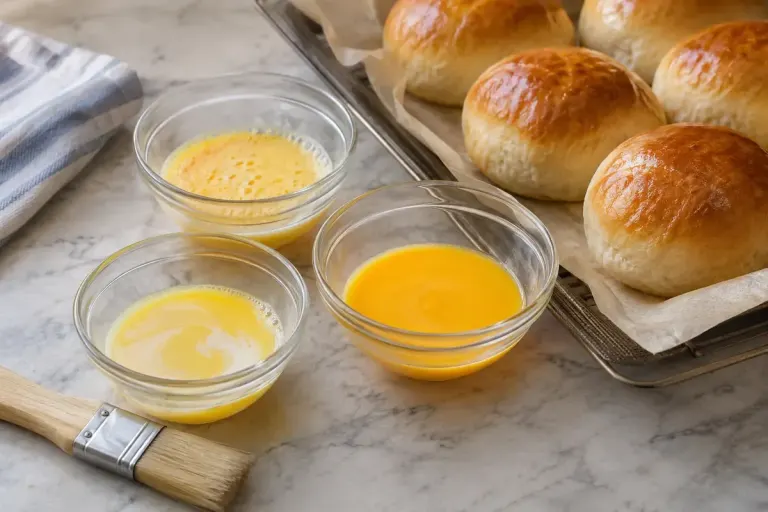
Choose a bread glaze for the crust you want, then test it fairly. A small tray of matching rolls can show what egg, milk and no wash change.
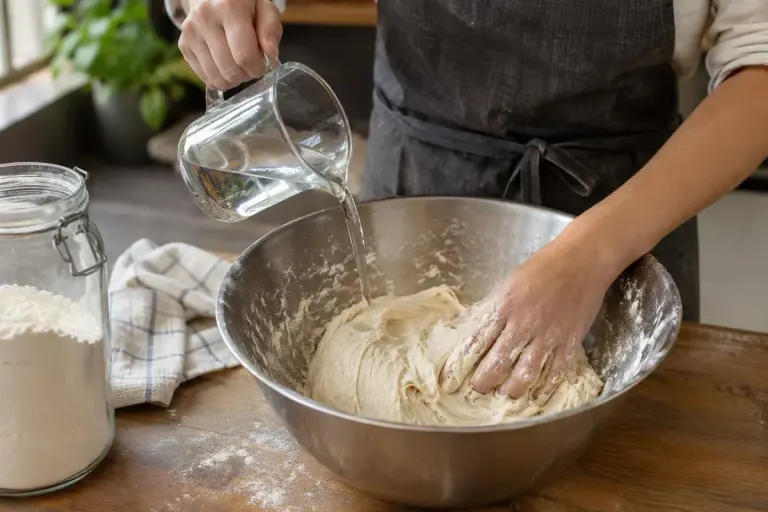
Bassinage holds back some mixing water until bread dough develops strength. See how to track the water and recognise when adding more stops helping.